.png)
Entering the Indonesian F&B market means registering your product with BPOM (Indonesia's food and drug authority), securing halal certification where relevant, choosing the right retail channels, and committing to ongoing brand-building once you're on the shelf.
Indonesia is one of the world's largest and fastest-growing consumer markets, but success takes more than a great product. This guide walks through each step international brands need to take.

Indonesia is the fourth most populous country in the world, with a young population, a rapidly expanding middle class, and growing demand for healthier and more premium food and beverage products. For international F&B brands, that combination makes it one of the most attractive markets in Southeast Asia.
But it's also one of the more complex. Regulation, a fragmented retail landscape, and strong local expectations mean that brands who arrive unprepared often stall before they gain traction. Understanding the process upfront is what separates the brands that grow from the ones that struggle.
Every food and beverage product sold in Indonesia must be registered with BPOM (Badan Pengawas Obat dan Makanan), the national food and drug authority. BPOM registration is mandatory and is typically the most time-consuming part of market entry.
Registration reviews your product's composition, labelling, shelf life, and any claims on the packaging. Two things commonly catch international brands off guard: how long approval can take, and how specific the labelling requirements are. Building the BPOM timeline into your launch plan from the very start prevents costly delays later.
If your product is marketed as halal or targets the mainstream Muslim-majority consumer base, halal certification through BPJPH is also important, and increasingly expected by retailers and shoppers alike.
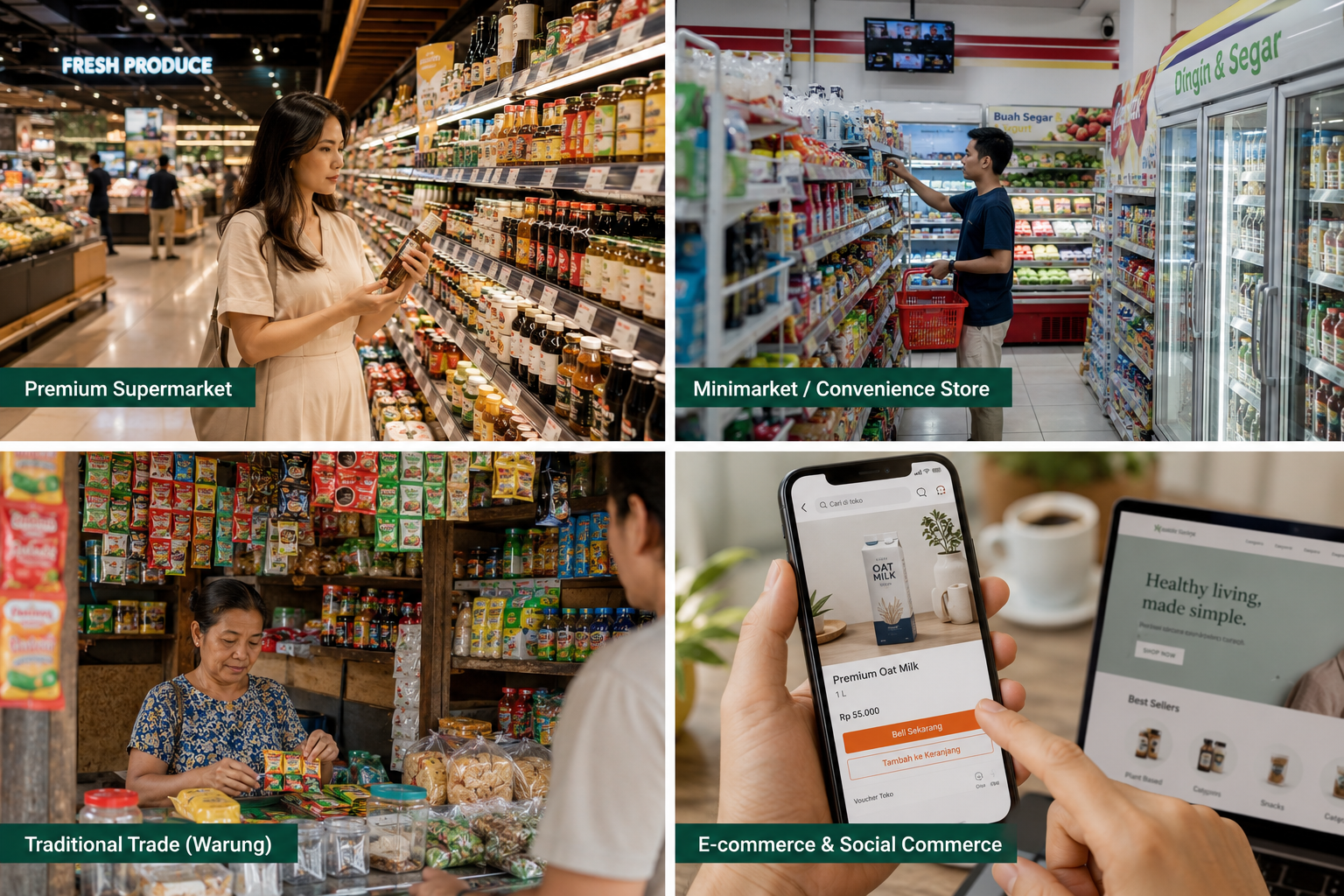
Indonesian retail spans several distinct channels, each with its own margins, expectations, and ways of working:
A product that thrives in premium supermarkets may need a completely different strategy to win in minimarkets or online. Choosing channels that match your brand's positioning matters far more than trying to be everywhere at once.
Indonesian consumers are global in taste but local in expectation. Successful localisation usually involves:
The brands that win adapt to the market without diluting what made them appealing in the first place. It's a balance between respecting local context and protecting your brand identity.
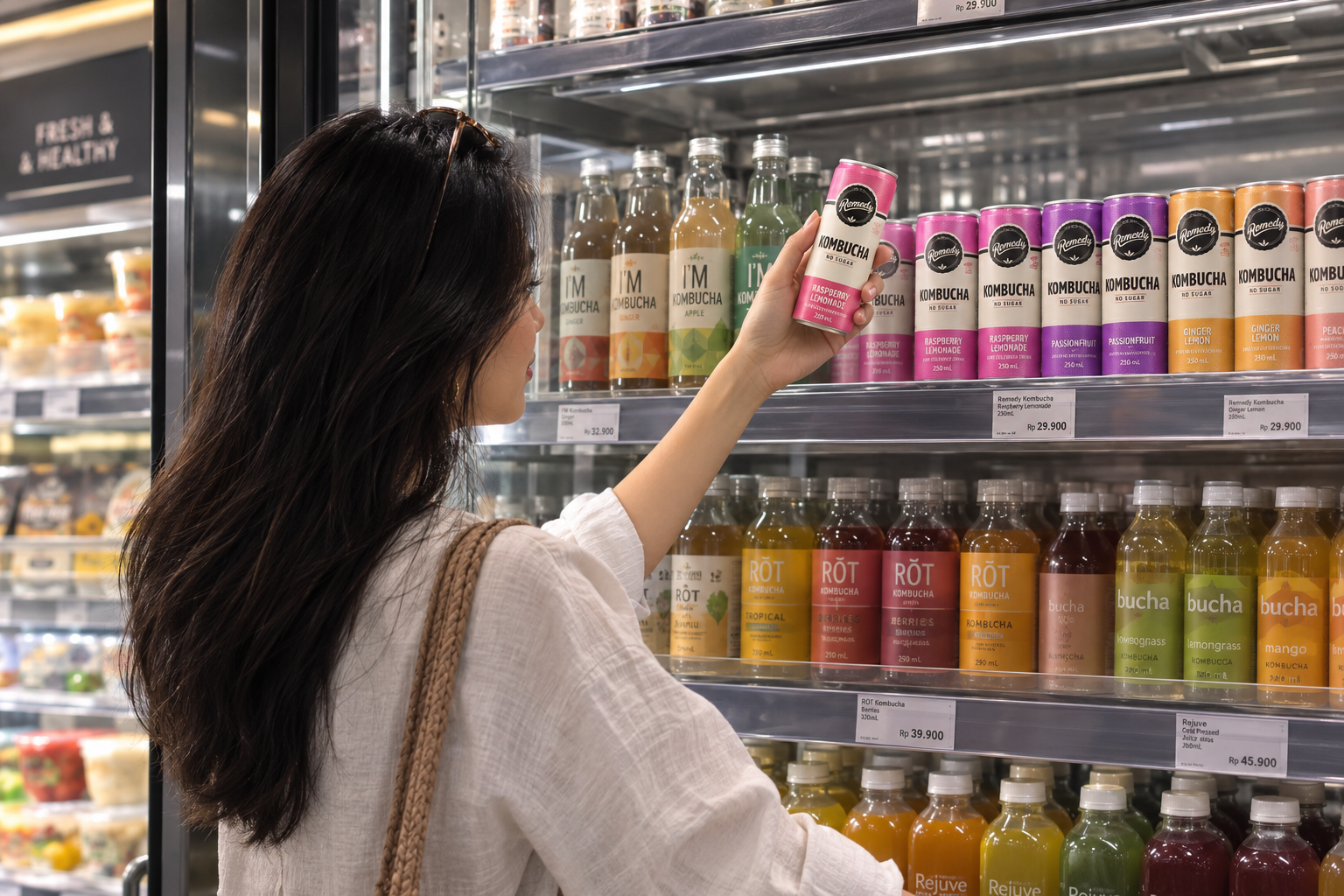
The biggest mistake international brands make is treating market entry as the finish line. Getting onto the shelf is the starting point, not the goal.
Building consumer awareness takes sustained effort: in-store sampling, brand activations, online reviews, and merchandising that keeps your product visible and top of mind. Without that investment, even a well-distributed product can sit unnoticed on the shelf. The brands that grow are the ones that commit to being discovered, tried, and remembered.
Indonesia rewards brands that come prepared: those that respect the regulatory process, choose the right retail partners, adapt thoughtfully to local expectations, and commit to building their presence over time.
That's where a local partner makes the difference. At Inventaris Prima, we handle the full journey, from import and BPOM approval to distribution and brand-building, so your brand doesn't just enter the Indonesian market, it thrives in it.
Ready to bring your brand to Indonesia? Get in touch with us →